|
Your Operation
Before Your Operation
It is very important that you lose at least
a small amount of weight prior to your surgery. Some
patients find this confusing: why should I have to lose
weight before the operation, if I'm having the operation
to help me lose weight? The answer is simple. Your liver
is a large organ that sits right in front of your stomach.
When you lose weight (even if it's only a few pounds)
much of the weight comes from your liver. This means
that your liver gets smaller, making it easier for the
surgeon to gain access to your stomach.
Unfortunately, some patients
take the wrong approach, eating "like there's no
tomorrow" before their surgery. This makes their
liver grow, and become infiltrated with fat. A fatty
liver is heavy, brittle, and more likely to suffer injury
during surgery. Needless to say, a liver injury during
surgery can be extremely serious! This is why it is
so important to avoid this trap, and to lose, not gain,
before your operation. There is no single diet that
works for everyone during this time -- most patients
use a diet that has worked (at least temporarily) for
them in the past.
For the 2 days immediately prior to
surgery, you should follow a diet of clear liquids only.
This will help to clear your small intestine of any
solid material that could potentially interfere with
surgery. You can continue the liquids until midnight
the night before your surgery. At that point, you need
to be strictly NPO -- nothing by mouth. During this
NPO time after midnight, it is still OK to take medications
with a small sip of water. But remember, no breakfast,
coffee or ANYTHING BESIDES MEDICATION the morning of
your operation!

The Day of
Your Operation
You will come to hospital on the day of your
surgery. We probably will not know the exact time of
your operation until the day before your operation.
One of our staff members will call you to tell you exactly
when to arrive. Most patients are instructed to arrive
2 hours before their surgery. This gives you time to
meet your anesthesiologist, get an I.V. placed, and
get some premedication to help you relax before surgery.

The Actual Surgery
Your operation may be as short as 1 1/2 hours,
or up to 4 hours or even more, depending upon your weight,
your prior surgery, and the complexity of the operation
you're having. Your family can wait in the surgical
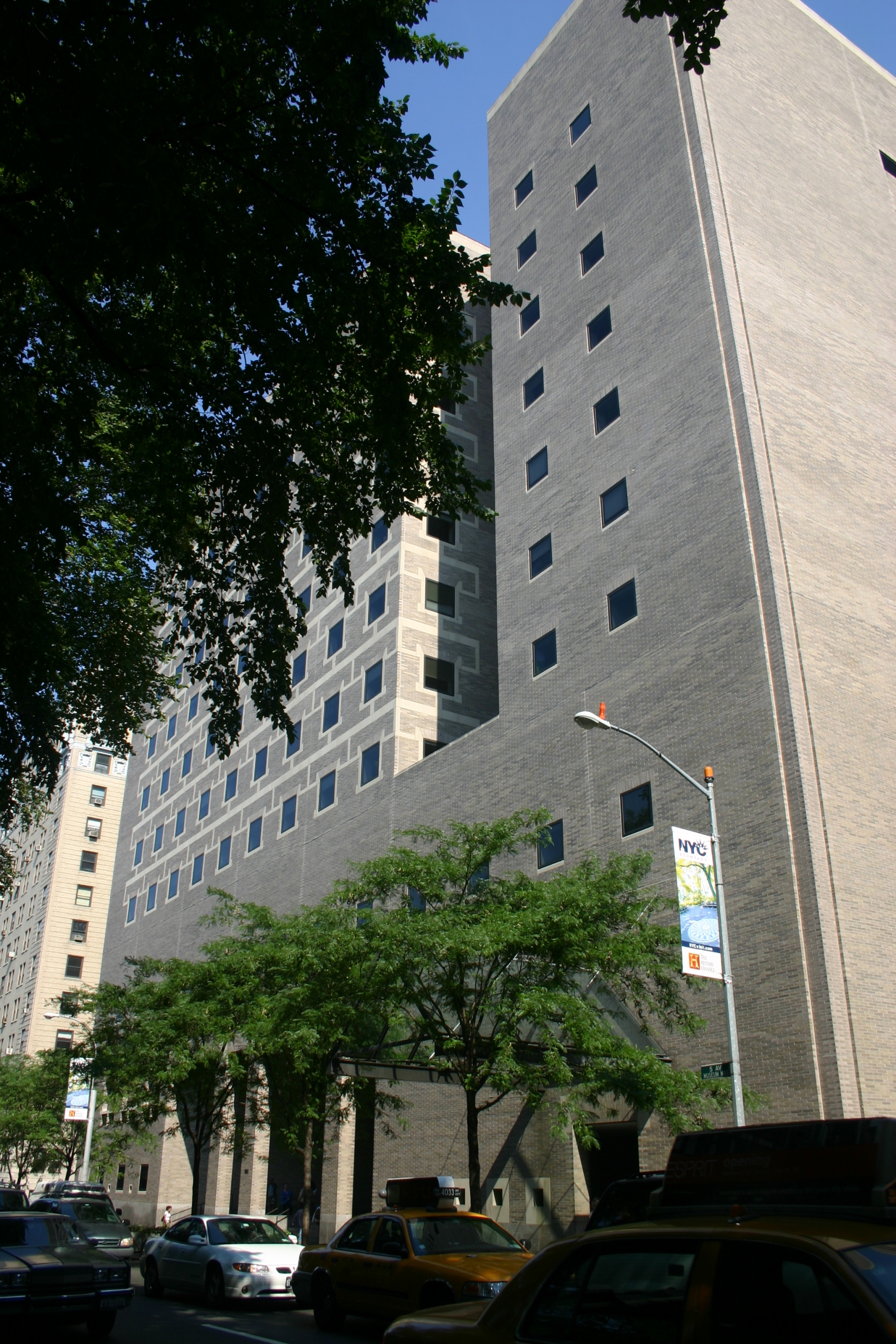
waiting area on the 2nd floor of the Guggenheim Pavilion.
At the end of your surgery, your surgeon will come down
to speak with your family.
After your operation,
you will go to the Recovery Room, known officially as
the Post-Anesthesia Care Unit (PACU) to recover from
anesthesia. For information on your stay in the PACU,
click here.
|